

Reaching intermediate fluency in a foreign language is an exciting milestone, but it often brings new challenges. You've mastered the basics, yet conversations still feel forced and progress seems to stall. Choosing the right strategies at this stage can mean the difference between fluency and frustration. This guide presents proven language learning tips specifically designed for intermediate learners of French, Spanish, German, Dutch, Italian, or Portuguese. Each recommendation is backed by clear criteria to help you evaluate what works best for your goals, whether you're preparing for travel, advancing your career, or simply deepening your connection to another culture.
Table of Contents
- Key takeaways
- Criteria for selecting effective language learning tips
- Top 5 language learning tips for intermediate learners
- Comparing language learning methods: traditional vs. digital tools
- Choosing the right language learning strategies for your goals
- Practice the language you want to live in with AktivLang
- FAQ
Key Takeaways
| Point | Details |
|---|---|
| Active production | Prioritize speaking and listening over passive recognition to build real conversation skills. |
| Consistency matters | Regular daily practice beats infrequent long sessions for better retention. |
| Varied practice forms | Mix speaking, writing, listening, and reading to engage different cognitive processes and reinforce learning from multiple angles. |
| Personalization matters | Tailor methods to your goals, environment, and schedule to keep progress relevant and effective. |
| Cultural immersion | Incorporate idioms, humor, and cultural references so conversations feel natural and you start thinking in the target language. |
Criteria for selecting effective language learning tips
Not all language learning advice delivers equal results. At the intermediate level, you need strategies that push you beyond passive recognition into active production. Effective conversation practice methods emphasize real interaction rather than memorization drills.
The best tips share several key characteristics. First, they prioritize active speaking and listening over passive consumption. Reading subtitles or scrolling through vocabulary lists won't build the neural pathways you need for spontaneous conversation. Second, effective strategies provide contextual relevance. Learning words in isolation rarely translates to real-world usage, while encountering vocabulary within stories or dialogues creates lasting associations.
Consistency matters more than intensity. Practicing for 20 minutes daily outperforms sporadic three-hour cramming sessions. Your brain needs regular exposure to consolidate new patterns and vocabulary. Quality feedback loops are equally crucial. Without knowing what you're getting wrong, you'll reinforce mistakes instead of correcting them.
Pro Tip: Evaluate any language learning method by asking whether it forces you to produce language, not just recognize it. If you can complete an exercise without speaking or writing, it's probably not pushing your skills forward.
Varied practice forms prevent plateaus. Mixing speaking, writing, listening, and reading exercises engages different cognitive processes and reinforces learning from multiple angles. A balanced approach addresses all four skills while allowing you to emphasize areas most relevant to your goals.
"The difference between intermediate and advanced fluency lies not in knowing more words, but in using the words you know with confidence and precision."
Personalization transforms generic advice into powerful progress. A business professional needs different vocabulary than a traveler, and someone preparing for university exams requires more formal grammar practice than a casual learner. The most effective tips adapt to your specific environment, schedule, and objectives.
Cultural learning integration separates mechanical language acquisition from genuine fluency. Understanding idioms, humor, and cultural references makes conversations feel natural rather than translated. When you grasp why native speakers phrase things a certain way, you stop thinking in your first language and start thinking in your target language.
Top 5 language learning tips for intermediate learners
1. Practice speaking regularly with conversation partners
Speaking practice is non-negotiable for intermediate learners. Find native speakers or fluent partners through language exchange apps, local meetups, or online communities. Aim for at least three 30-minute conversations weekly. These sessions force you to think on your feet, retrieve vocabulary under pressure, and adapt to different accents and speaking speeds.
Don't wait until you feel ready. Mistakes during conversation teach you more than perfect silent study ever will. Record your sessions when possible and review them later to identify recurring errors or hesitation patterns.
2. Write daily in your target language
Incorporating writing practice solidifies grammar structures and expands your active vocabulary. Start a journal, write social media posts, or exchange messages with language partners. Writing gives you time to construct complex sentences and experiment with new expressions without the pressure of real-time conversation.

The act of writing forces precision. You can't mumble through unclear grammar or wave your hands to compensate for missing vocabulary. This deliberate practice translates directly to clearer, more confident speaking.
Pro Tip: Write about topics you actually discuss in conversations. If you're learning Spanish for work, write emails or meeting summaries in Spanish. This targeted practice builds vocabulary you'll immediately use.
3. Use spaced repetition for vocabulary retention
Spaced repetition systems present vocabulary at optimal intervals for long-term memory formation. Apps like Anki or built-in features in language platforms schedule reviews just before you're likely to forget a word, maximizing retention with minimal time investment.
Focus on high-frequency words and phrases relevant to your goals. Learning obscure vocabulary impresses no one if you can't maintain a basic conversation. Build depth in commonly used words rather than breadth in rarely encountered terms.
4. Immerse yourself in cultural content
Watch films, listen to podcasts, read news articles, and follow social media accounts in your target language. Cultural immersion exposes you to natural speech patterns, current slang, and real-world context that textbooks can't provide. Choose content slightly above your comfort level to stretch your comprehension without overwhelming frustration.
This passive exposure complements active practice by familiarizing your ear with native pronunciation and rhythm. You'll start recognizing phrases before you consciously learn them, building intuitive language sense.
5. Set measurable goals and track progress
Vague aspirations like "become fluent" lead to discouragement. Instead, set specific targets: hold a 10-minute conversation without reverting to English, write a 500-word essay, or watch a movie without subtitles. Break these into weekly milestones and celebrate each achievement.
Tracking progress maintains motivation during inevitable plateaus. When you can review how many words you've learned or conversations you've completed, temporary frustration feels less permanent. Visual progress charts or learning journals provide tangible evidence of improvement.
Comparing language learning methods: traditional vs. digital tools
Traditional classroom instruction and modern digital platforms each offer distinct advantages for intermediate learners. Understanding these differences helps you build an effective learning ecosystem.
Traditional methods excel at systematic grammar instruction and structured progression. Qualified teachers provide personalized feedback, correct subtle errors, and explain nuanced rules that apps might oversimplify. Classroom environments create accountability and social learning opportunities. However, they require fixed schedules, specific locations, and often significant financial investment.
Digital tools enhance accessibility and provide flexible, gamified learning experiences. You can practice anywhere, anytime, fitting language learning into busy schedules. Many apps offer speech recognition, instant feedback, and adaptive algorithms that adjust difficulty to your level. The downside is potential lack of human interaction and limited ability to handle complex questions or cultural nuances.
| Feature | Traditional Methods | Digital Tools |
|---|---|---|
| Grammar instruction | Comprehensive, nuanced | Structured but sometimes simplified |
| Speaking practice | Teacher-led, group discussion | AI feedback, limited real conversation |
| Flexibility | Fixed schedule, location | Anytime, anywhere access |
| Cost | Higher (tuition, materials) | Lower (many free or affordable apps) |
| Personalization | Teacher adapts to student | Algorithm-driven adaptation |
| Cultural context | Teacher provides insights | Content-based, less interactive |
The most effective approach combines both. Use apps for daily vocabulary and grammar drills, then apply what you've learned in conversation exchanges or classes. Digital tools handle repetitive practice efficiently, freeing human interaction time for complex communication and cultural discussion.
Consider your learning style and resources. Visual learners might prefer app-based lessons with graphics and videos, while social learners thrive in classroom discussions. Budget constraints might push you toward digital solutions, but even one monthly conversation with a tutor can dramatically accelerate progress when combined with consistent app practice.
Choosing the right language learning strategies for your goals
Your learning approach should reflect your specific objectives. A traveler preparing for a two-week trip needs different skills than an expat building a new life abroad or a professional conducting business in another language.
For conversational fluency focused on travel or casual interaction, prioritize speaking and listening practice. Invest time in common phrases, survival vocabulary, and pronunciation. Grammar perfection matters less than clear communication. Cultural content like travel vlogs and local news helps you understand regional variations and practical language use.
Professionals require formal register and industry-specific vocabulary. Business language modules, professional writing practice, and formal conversation exchanges prepare you for meetings, presentations, and written communication. Focus on email etiquette, negotiation phrases, and technical terminology relevant to your field.
Cultural immersion goals demand deeper engagement with literature, history, and media. Read novels, watch classic films, and study idiomatic expressions. This approach builds appreciation for linguistic subtleties and cultural references that make you sound truly fluent rather than merely competent.
Pro Tip: Your goals will evolve as you progress. What starts as travel preparation might develop into professional interest or cultural passion. Maintain flexibility in your learning plan and periodically reassess your priorities.
Cross-skill integration optimizes overall competence regardless of your primary goal. Even if speaking is your focus, writing practice clarifies grammar and expands vocabulary. Reading builds comprehension that supports listening. Rather than isolating skills, look for ways each practice form reinforces the others.
Adjust practice intensity based on urgency and available time. Preparing for an exam or imminent move abroad justifies intensive daily practice. Long-term learning for personal enrichment works better with sustainable, moderate commitment that prevents burnout. Match your strategy to your timeline and energy levels.
Practice the language you want to live in with AktivLang
Applying these language learning tips requires consistent, engaging practice that fits your schedule. AktivLang transforms language learning from isolated drills into immersive story-based experiences that build real conversational skills.
Read compelling stories in French, Spanish, German, Dutch, Italian, or Portuguese, then master vocabulary, grammar, and pronunciation through interactive exercises. The platform combines reading comprehension with speaking practice, writing exercises, and instant feedback, addressing all the skills intermediate learners need to advance.
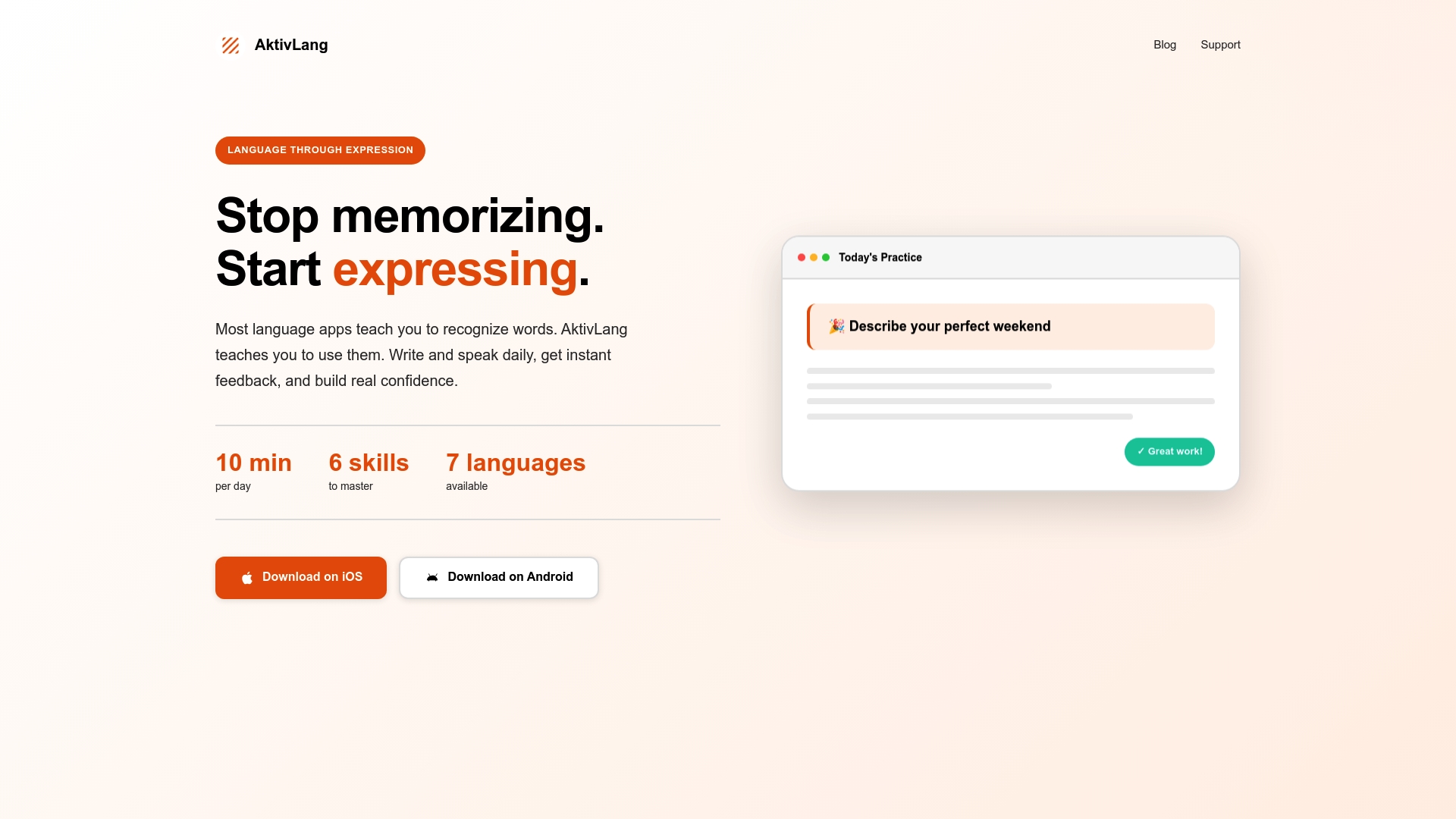
Whether you're preparing for travel, advancing your career, or deepening cultural connections, AktivLang adapts to your level and interests. Choose themes that matter to you, from mythology and history to daily life and professional topics, making practice feel less like studying and more like exploring subjects you genuinely care about.
FAQ
How can I maintain motivation while learning a new language?
Set small, achievable goals and celebrate each milestone to build momentum. Engage with cultural content you genuinely enjoy, whether that's music, films, or social media in your target language. Connecting with native speakers and language learning communities provides accountability and makes the process social rather than solitary.
What are effective ways to improve listening skills in a foreign language?
Listen regularly to podcasts, movies, and authentic conversations in your target language, starting with content slightly above your current level. Combine passive listening with active engagement by taking notes, repeating phrases out loud, and gradually reducing reliance on subtitles. Consistent exposure trains your ear to recognize speech patterns and improves comprehension speed.
How important is writing practice for language fluency?
Writing solidifies vocabulary and grammar knowledge essential for confident conversations. It forces you to construct complete thoughts without the shortcuts available in speaking, strengthening your command of sentence structure and word choice. Regular writing practice helps you think in your target language rather than translating from your native language, which directly improves spontaneous speaking ability.
Should I focus on grammar or vocabulary to improve faster?
Focus on essential grammar structures that enable clear communication, such as verb tenses and basic sentence patterns. Simultaneously expand vocabulary with words relevant to your daily needs and specific goals. Balanced attention to both prevents communication breakdowns while building expressive range. Grammar provides the framework, but vocabulary fills that framework with meaning.
Recommended
- Boost your language skills with conversation practice
- Master your writing practice workflow for real conversations
- Blog - AktivLang | Language Learning Through Writing
- AktivLang - Practice the language you want to live in
- learn languages with music
- ESL Teaching Tips 2025: Boost Oral Proficiency by 40% | TEFL Institute