

Most intermediate language learners spend hours reviewing grammar rules and memorizing vocabulary lists, yet freeze when it's time to actually speak. Recent research reveals a surprising truth: speaking more words during practice sessions directly correlates with higher proficiency test scores. The difference between learners who progress quickly and those who plateau often comes down to one factor: how much they actually speak during practice. This guide explores evidence-backed methods to improve your speaking and writing through real conversation practice and personalized feedback, showing you exactly how to turn speaking time into measurable skill gains.
Table of Contents
- How Conversation Practice Enhances Language Skills
- Why Speaking More Words Matters In Practice
- Making Conversation Practice Personalized And Effective
- Practice Language Skills With AktivLang
- Frequently Asked Questions
Key takeaways
| Point | Details |
|---|---|
| Active practice wins | Speaking and writing in real conversations builds proficiency faster than passive study methods. |
| Volume predicts progress | Learners who speak more words during practice sessions achieve significantly higher test scores. |
| Feedback accelerates growth | Personalized corrections during real conversations help you identify and fix mistakes quickly. |
| Consistency matters most | Regular speaking practice, even in short sessions, produces better results than occasional long sessions. |
How conversation practice enhances language skills
Active conversation practice transforms how quickly you develop speaking and listening abilities. When you engage in real-time conversation, your brain works differently than when you're passively consuming content or completing multiple-choice exercises. You must retrieve vocabulary, apply grammar rules, and construct coherent sentences under time pressure, exactly as you would in authentic situations.
A comprehensive study by Duolingo examined how video call features affected Japanese learners' proficiency development. The results were striking: learners using video call practice significantly improved both speaking and listening skills compared to control groups using traditional methods. The study tracked learners over several weeks, measuring their progress through standardized proficiency tests before and after the practice period.
What made conversation practice so effective? Three key factors emerged from the research:
- Real-time interaction forces immediate language production without time to overthink or translate
- Listening to natural speech patterns improves comprehension and pronunciation simultaneously
- Conversational context provides memorable associations that help vocabulary stick
- Immediate feedback during practice prevents bad habits from forming
The study found that learners who engaged in frequent speaking during calls showed the most dramatic improvements. This wasn't just about logging time on video calls. The quality of engagement mattered enormously. Learners who actively participated, asked questions, and pushed themselves to speak more during each session gained proficiency faster than those who listened passively or gave minimal responses.
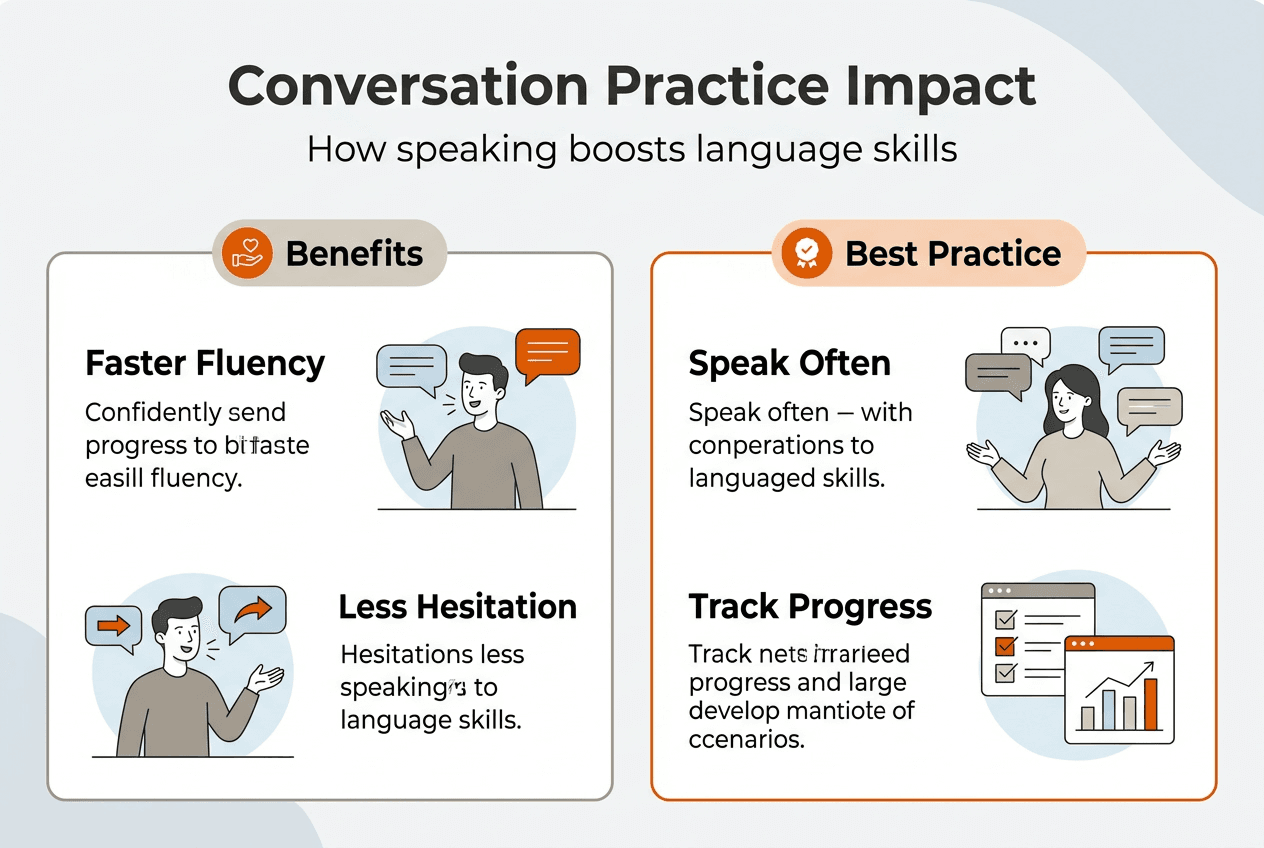
Building fluency requires moving beyond your comfort zone repeatedly. Each conversation session creates opportunities to practice new vocabulary in context, experiment with different sentence structures, and develop the confidence to express complex ideas. This active engagement builds neural pathways that passive study simply cannot create.
Why speaking more words matters in practice
The relationship between speaking volume and proficiency gains reveals a critical insight for language learners. Research shows that speaking more words during practice sessions strongly correlates with higher post-test speaking scores. This correlation isn't coincidental. Every word you speak during practice represents an opportunity to apply vocabulary, test grammar structures, and refine pronunciation.
Think of speaking volume as repetitions in strength training. A single bicep curl won't build muscle, but consistent repetitions over time create noticeable gains. Similarly, speaking a handful of words during practice provides minimal benefit, while producing hundreds of words per session accelerates your progress significantly. Each utterance strengthens the neural connections that support fluent speech.
The data reveals interesting patterns when comparing speaking volume to proficiency improvements:
| Average Words Spoken Per Session | Proficiency Score Increase | Key Outcome |
|---|---|---|
| Under 100 words | Minimal gains | Limited practice effect |
| 100-300 words | Moderate improvement | Noticeable progress |
| 300-500 words | Strong gains | Significant skill development |
| Over 500 words | Maximum benefit | Accelerated proficiency growth |
These numbers tell an important story about practice intensity. Learners who pushed themselves to speak more during each session didn't just practice longer; they practiced more effectively. Speaking 500 words requires engaging deeply with the language, constructing multiple sentences, and working through communication challenges in real time.
Consistent, active speaking also helps overcome one of the biggest barriers intermediate learners face: hesitation. When you speak regularly, the mental translation process that slows you down begins to fade. You start thinking in your target language rather than translating from your native tongue. This shift happens gradually but becomes noticeable as your speaking volume increases across sessions.
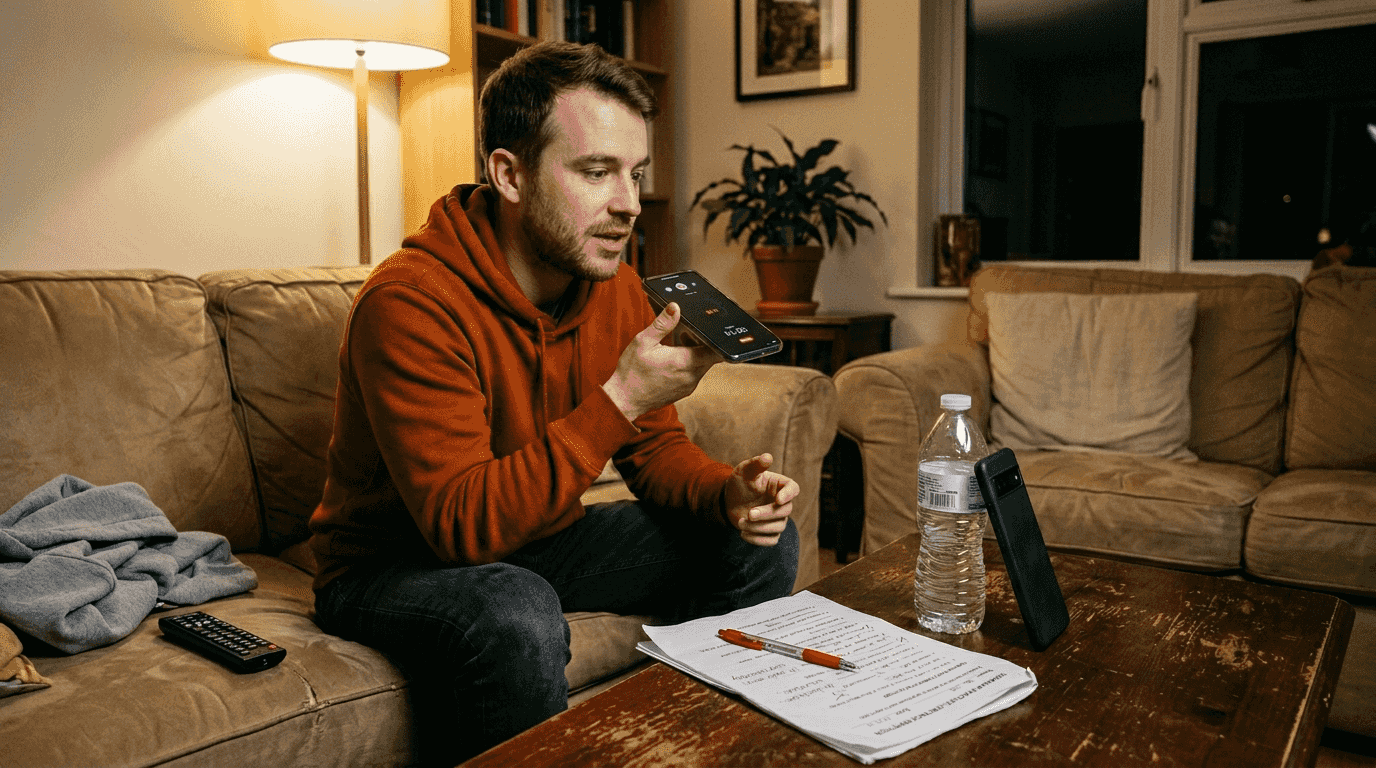
Pro Tip: Track how many words you speak during each practice session for two weeks. You'll likely notice that sessions where you speak more feel more challenging in the moment but lead to greater confidence and fluency gains over time. Push yourself to increase conversation practice volume by 10-20% each week for optimal progress.
The correlation between speaking volume and proficiency also highlights why passive learning methods fall short. Listening to podcasts or watching videos in your target language provides valuable input, but without active output, you're not building the production skills you need for real conversations. Speaking forces you to move beyond recognition and into active recall, the cognitive process that truly cements language skills.
Making conversation practice personalized and effective
Generic practice helps, but personalized feedback during real conversation accelerates speaking and writing skill development far more effectively. When you receive targeted corrections based on your specific mistakes and communication patterns, you learn faster because the feedback addresses your actual weaknesses rather than generic problem areas.
Personalized feedback works because it provides context. Instead of memorizing abstract grammar rules, you see exactly how a correction applies to something you just tried to say. This immediate, relevant application makes the lesson stick. Your brain connects the correction to the communicative intent you had, creating a stronger memory trace than decontextualized study ever could.
Real conversations naturally generate the kind of personalized feedback that drives improvement. When you struggle to express an idea, make a grammatical error, or mispronounce a word, immediate correction in context shows you the right way while the mistake is still fresh in your mind. This timing matters enormously for learning effectiveness.
Here's how to maximize personalized feedback during your language practice sessions:
- Record yourself speaking and review the recording to identify patterns in your mistakes, focusing on errors that appear repeatedly across multiple sessions.
- Ask for specific feedback on areas where you feel uncertain, such as verb conjugations, word order, or pronunciation of particular sounds.
- Practice self-correction by pausing when you notice a mistake and immediately restating the sentence correctly before moving forward.
- Keep a running list of corrections you receive and deliberately use those corrected forms in your next practice session to reinforce proper usage.
- Focus each session on one or two specific improvement areas rather than trying to perfect everything at once, which prevents overwhelm and accelerates targeted progress.
Balancing error correction with speaking confidence requires careful attention. Too much correction can make you hesitant and afraid to speak freely. Too little correction allows mistakes to become habits. The sweet spot involves receiving enough feedback to guide improvement while maintaining the momentum and confidence to keep speaking.
Pro Tip: During practice sessions, alternate between fluency-focused segments where you speak without interruption and accuracy-focused segments where you welcome immediate corrections. This balance helps you develop both natural flow and grammatical precision without sacrificing either.
Personalized feedback also reveals your unique learning patterns. You might discover that you consistently struggle with certain verb tenses, frequently confuse similar-sounding words, or have difficulty with specific pronunciation sounds. These insights let you target your study time efficiently, focusing on areas where you need the most work rather than reviewing material you've already mastered.
The most effective personalized language practice combines regular speaking opportunities with systematic feedback that tracks your progress over time. When you can see patterns in your improvement, such as making fewer errors with past tense verbs or using a wider range of vocabulary naturally, you gain motivation to continue practicing consistently. This visible progress reinforces the habit of regular practice, creating a positive cycle of improvement.
Practice language skills with AktivLang
Applying these conversation practice principles becomes straightforward when you have the right platform. AktivLang provides daily speaking and writing practice with the personalized feedback that research shows accelerates proficiency development. You choose topics that interest you, from travel and culture to science and mythology, ensuring every practice session feels relevant and engaging.
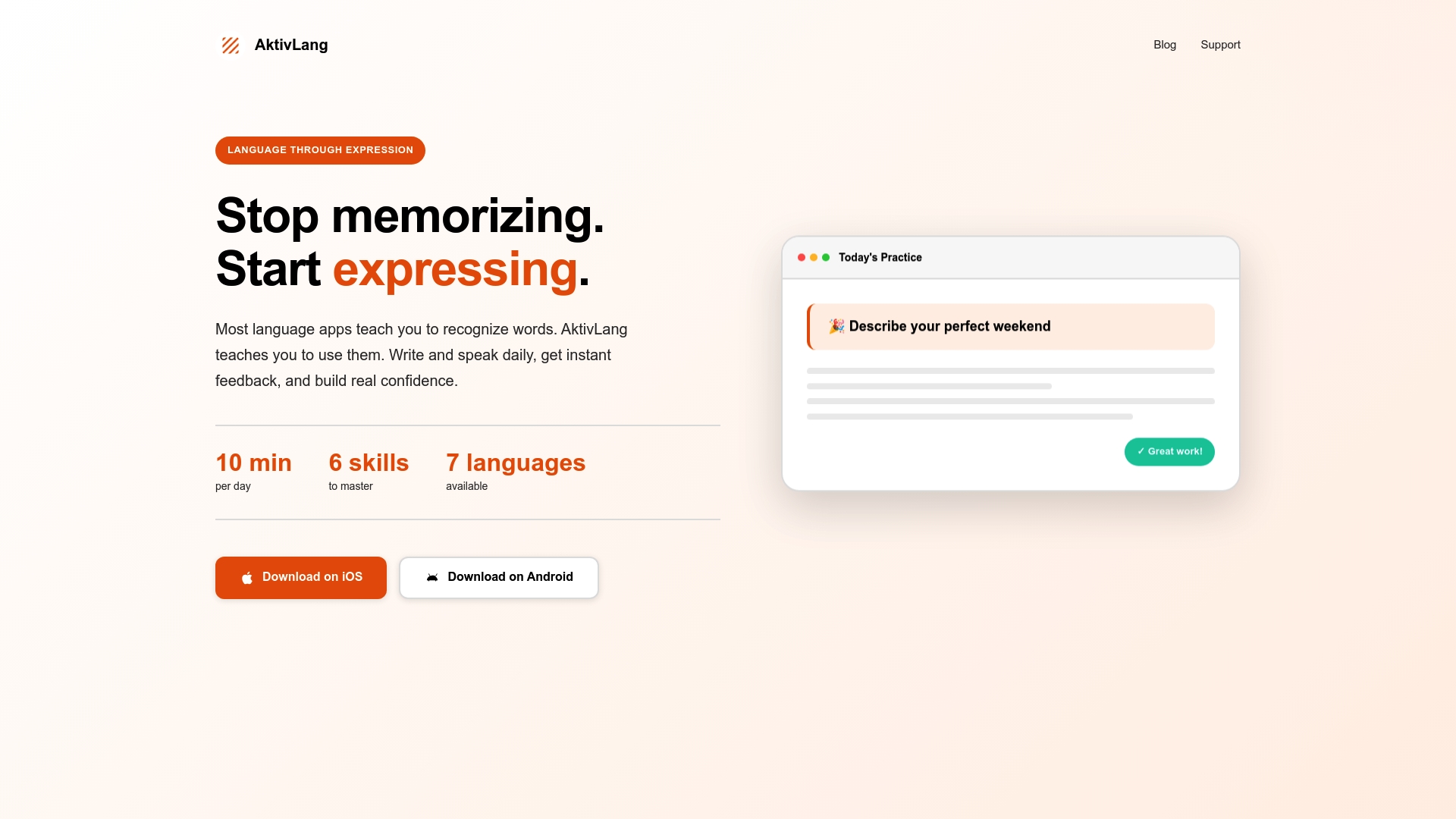
The app's speaking mode lets you record yourself speaking about daily prompts, then receive detailed pronunciation feedback and fluency scores. Writing mode offers the same personalized approach, with corrections on grammar, vocabulary, and style explained in your native language. Both modes help you build the self-correction habits that turn practice into lasting improvement. Your progress tracking shows exactly how your skills develop across all six language areas, with weekly insights that highlight your strengths and focus areas. Whether you're learning French, Spanish, German, Dutch, Italian, or Portuguese, AktivLang adapts to your level and interests. Start your language practice journey today and experience how real conversation transforms your skills.
Frequently asked questions
How quickly can I improve speaking with conversation practice?
Most learners notice measurable improvements within two to four weeks of daily conversation practice, especially when speaking 300 or more words per session. Your progress speed depends on practice consistency, speaking volume, and how actively you apply feedback. Learners who practice daily typically achieve fluency milestones twice as fast as those who practice sporadically.
What if I'm shy or afraid to speak up during practice?
Start with recorded practice where you can speak privately without an audience, then gradually build confidence before moving to live conversations. Remember that making mistakes is essential for learning, not something to avoid. Most intermediate learners feel nervous initially, but this anxiety decreases significantly after just a few practice sessions as you realize mistakes are learning opportunities.
How can I get useful feedback without feeling discouraged?
Frame feedback as information about what to practice next rather than criticism of your current abilities. Focus on one or two specific improvement areas per session instead of trying to fix everything at once. Celebrate small wins, like using a new verb tense correctly or pronouncing a difficult word properly, to maintain motivation while working through corrections.
How often should I practice speaking to see results?
Daily practice, even for just five to ten minutes, produces better results than longer weekly sessions because consistent exposure strengthens memory and builds habits. The research shows that learners who practice four to five times per week improve significantly faster than those who practice once or twice weekly. For more conversation tips, explore strategies that fit practice into your daily routine without overwhelming your schedule.