

Finding the right creative writing prompts can transform your language learning journey from passive study to active mastery. Many intermediate learners struggle to locate prompts that match their proficiency level while sparking genuine creativity and cultural engagement. Creative writing bridges the gap between understanding grammar rules and using them naturally in storytelling. This article presents inspiring prompt examples across popular languages like Spanish, German, and Italian, showing you how to choose exercises that build vocabulary, refine grammar, and boost confidence through meaningful practice.
Table of Contents
- Criteria For Effective Intermediate Language Writing Prompts
- Examples Of Effective Creative Writing Prompts By Language
- Comparing Prompt Methodologies And Benefits For Language Learners
- Start Practicing With AktivLang For Effective Language Writing
- Frequently Asked Questions
Key takeaways
| Point | Details |
|---|---|
| Creative prompts boost skills | Storytelling exercises strengthen vocabulary retention and grammar application through active use. |
| Cultural relevance matters | Prompts tied to target culture increase engagement and authentic language understanding. |
| Varied formats develop range | Different prompt types like sensory descriptions and tense shifts build diverse linguistic abilities. |
| Consistency builds fluency | Regular writing practice using prompts creates confidence and natural expression over time. |
| Balance fun and structure | Mixing low-pressure creativity with focused tasks optimizes learning outcomes. |
Criteria for effective intermediate language writing prompts
Selecting the right writing prompts makes the difference between frustrating exercises and transformative practice sessions. Effective prompts prioritize idea generation over perfect accuracy while weaving in cultural elements that make the language come alive. Look for prompts that balance creative freedom with subtle grammar or vocabulary focus, letting you experiment while reinforcing specific structures.
The best intermediate prompts encourage storytelling that mirrors real-world language use. Instead of isolated sentences, seek exercises asking you to craft narratives, describe experiences, or imagine scenarios. This approach trains your brain to think in your target language rather than translating from your native tongue. Flexibility in length and time limits reduces performance anxiety, letting ideas flow naturally.
Consider these essential criteria when choosing prompts:
- Cultural references relevant to speakers of your target language
- Clear but flexible structure allowing personal interpretation
- Opportunities to practice specific tenses or vocabulary themes
- Sensory or emotional angles that deepen descriptive abilities
- Real-world scenarios you might encounter in conversation
Pro Tip: Start with prompts slightly below your comfort level to build momentum, then gradually tackle more complex themes as your confidence grows.
Integrating language learning writing strategies into your prompt selection ensures each exercise moves you closer to fluency. The right prompt feels like a creative challenge rather than a chore, sparking curiosity about how native speakers might approach the same topic.
Examples of effective creative writing prompts by language
Seeing concrete examples helps you understand how different languages and cultures shape creative writing exercises. Spanish prompts often explore cultural festivals and future tense scenarios, perfect for intermediate learners building both cultural knowledge and grammar skills. Una fiesta tradicional invites you to describe a traditional celebration, weaving in vocabulary about food, music, and family while practicing past and present tenses naturally.
El superhéroe hispano pushes you to create a Spanish-speaking superhero, encouraging future tense practice as you describe their powers and adventures. These culturally grounded prompts make grammar practice feel purposeful rather than mechanical. German creative exercises emphasize sensory memories and unique perspectives like plant diaries, training you to craft vivid descriptions that bring scenes to life.
German prompts focusing on sensory recall ask you to describe a childhood memory using all five senses, building descriptive vocabulary organically. The plant diary perspective challenges you to tell a story from a houseplant's viewpoint, fostering creativity while practicing present tense and descriptive adjectives. Italian prompt collections offer 100 exercises organized by proficiency level, helping you build consistent writing habits that develop fluency over time.

Here's how prompts vary across languages:
| Language | Example Prompt | Skill Focus | | --- | --- | | | Spanish | Una carta al futuro | Future tense, formal writing | | German | Meine Lieblingsstadt | Descriptive adjectives, location vocabulary | | Italian | Un giorno perfetto | Daily routine vocabulary, present tense | | Spanish | El mercado local | Sensory description, food vocabulary | | German | Tagebuch einer Pflanze | Creative perspective, present tense |
Explore creative writing prompts examples to discover more language-specific exercises. Combining these prompts with proven writing practice workflow techniques ensures steady progress toward natural expression.
Comparing prompt methodologies and benefits for language learners
Different prompt methodologies serve distinct learning goals, and understanding these approaches helps you design a balanced practice routine. Free writing encourages fluency by removing the pressure of perfection, letting you write continuously for five or ten minutes without stopping to correct errors. This method trains your brain to access vocabulary quickly and form sentences spontaneously, mirroring how you'll need to speak in real conversations.
Constraints like word limits, forbidden words, or required vocabulary lists train precision and creative problem solving. When a prompt forbids adverbs or limits you to 100 words, you must choose each word carefully and find inventive ways to express ideas. Daily writing habits and genre swaps build confidence through consistent practice while keeping exercises fresh and engaging.
Genre swaps challenge you to reframe the same story in different styles, such as retelling a fairy tale as a news report or describing a historical event as a personal diary entry. This methodology builds adaptability, showing you how register and tone shift depending on context. Establishing daily or weekly prompt routines creates habit formation that makes practice automatic rather than something requiring willpower.
Compare these methodologies:
| Methodology | Primary Benefit | Best For | | --- | --- | | | Free writing | Fluency and speed | Building confidence, accessing vocabulary quickly | | Constraints | Precision and creativity | Grammar focus, expanding expression range | | Genre swaps | Adaptability and register | Understanding tone, formal vs informal writing | | Timed prompts | Spontaneity | Simulating real conversation pressure | | Themed series | Depth and coherence | Building specialized vocabulary in topics |
Pro Tip: Rotate through methodologies weekly to keep practice engaging while developing comprehensive skills.
Integrating these approaches with conversation practice creates a complete learning system. Writing prepares vocabulary and structures you'll use in speaking, while conversation reveals gaps to address in your next writing session.
Start practicing with AktivLang for effective language writing
Now that you understand how creative prompts accelerate language mastery, it's time to put these strategies into action with structured support. AktivLang offers story-based learning that naturally incorporates the writing methodologies and cultural elements discussed throughout this article. Read compelling narratives in your target language, then reinforce what you've learned through interactive exercises covering vocabulary, grammar, and pronunciation.
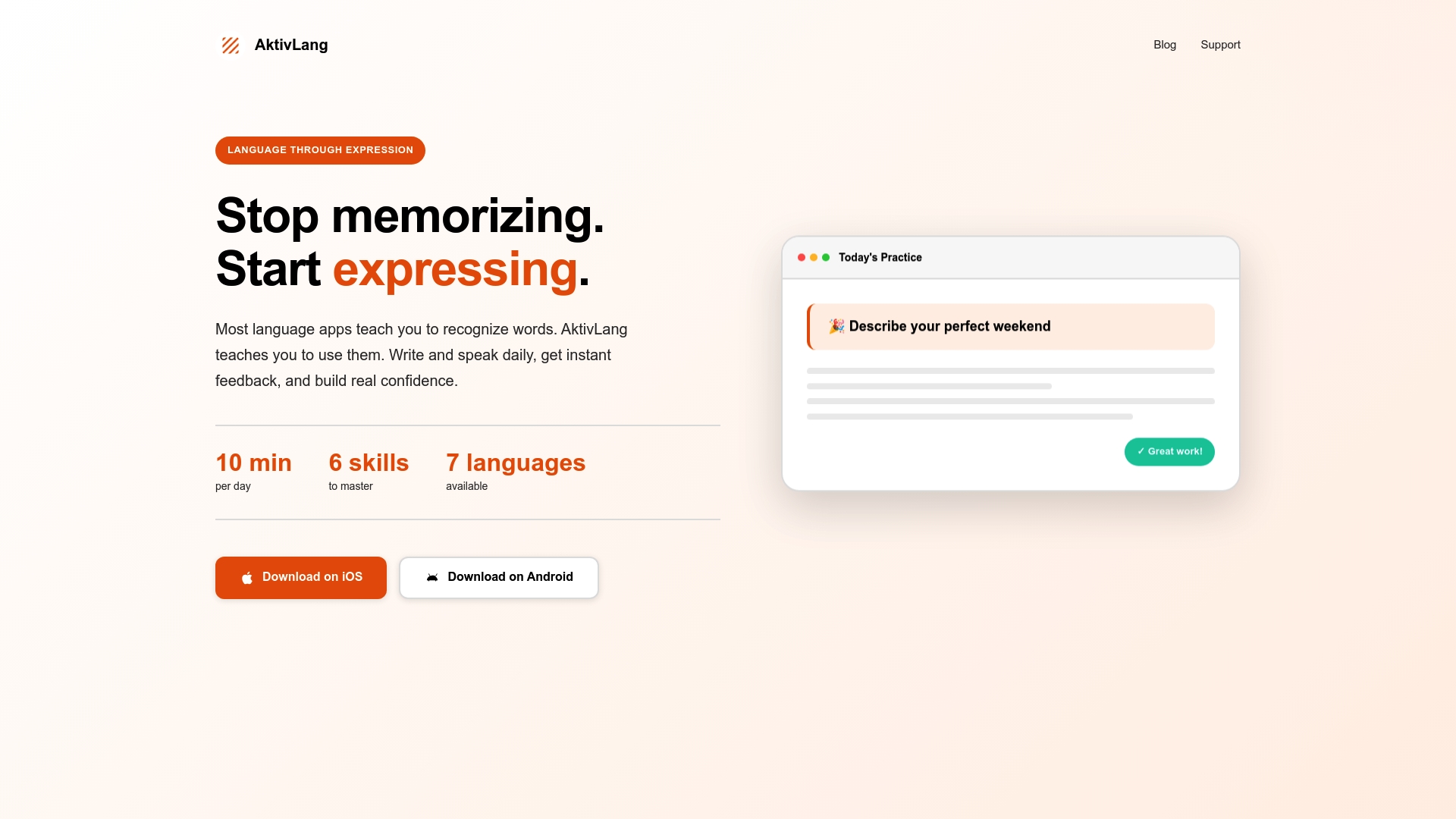
The platform provides tailored practice workflows suited to French, Spanish, German, Dutch, Italian, and Portuguese learners at intermediate levels. You'll benefit from diverse prompt types, immediate feedback, and progress tracking that shows exactly how your skills improve over time. Join a community of learners who share work and motivation, making consistent practice easier and more enjoyable.
Explore AktivLang's writing strategies to discover how story-based exercises transform creative prompts into fluency breakthroughs. The combination of reading authentic narratives and producing your own writing creates the active recall proven to build lasting language skills.
Frequently asked questions
What makes a writing prompt suitable for intermediate learners?
Effective intermediate prompts balance creative freedom with gentle structure, offering enough guidance to prevent blank page paralysis while allowing personal interpretation. They incorporate cultural elements and real-world scenarios that make practice relevant and engaging. Look for prompts encouraging 150 to 300 word responses that let you develop ideas without overwhelming complexity.
How often should I write using prompts to see improvement?
Consistent practice beats intensive bursts, so aim for three to five writing sessions weekly rather than occasional marathons. Even 15 minutes of focused prompt writing builds skills when done regularly. Track your progress over months rather than days, as language acquisition happens gradually through accumulated practice.
Can prompts help with grammar as well as vocabulary?
Absolutely, well-designed prompts naturally reinforce grammar by creating contexts where specific structures make sense. A prompt about future plans encourages future tense practice, while describing a childhood memory requires past tenses. This contextual approach helps grammar stick better than isolated drills because you're using structures to express real ideas.
Are culturally specific prompts more effective?
Yes, culturally grounded prompts increase engagement by connecting language practice to authentic contexts you'll encounter with native speakers. Spanish prompts about traditional festivals or German exercises exploring local customs build cultural competence alongside linguistic skills. This dual benefit makes practice more meaningful and memorable.
What if I get stuck on a prompt?
Start with short free writes of just five minutes without worrying about mistakes to unlock initial ideas. Use sensory memories from your daily life as prompt starters, describing what you see, hear, or smell right now in your target language. Join writing groups through platforms like AktivLang where sharing work and receiving feedback provides motivation when creativity stalls.
How can I use creative writing prompts to improve my language skills?
Use prompts to practice storytelling daily or weekly, building active language skills gradually through consistent output. Focus on expressing ideas over perfect grammar initially to increase confidence and unlock creativity. Review your writing after a few days to spot patterns in errors, then target those areas in your next session. Combine writing with speaking practice by reading your stories aloud to reinforce pronunciation and fluency.
Are there specific prompt types better for languages like Spanish or German?
Spanish prompts often involve cultural festivals and future tense scenarios that reflect the language's vibrant storytelling traditions. German exercises highlight sensory memories and unique perspectives like object diaries to enhance descriptive precision. Tailored prompts increase relevance and cultural understanding, making practice more engaging while reinforcing language-specific grammar patterns naturally within storytelling contexts.
What if I struggle to come up with ideas using prompts?
Start with the simplest interpretation of any prompt, writing whatever comes to mind without self-editing for the first draft. Use stimulus words or phrases from your recent conversations as jumping-off points when prompts feel too abstract. Join writing communities or language exchange groups where sharing work creates accountability and fresh perspectives, often sparking ideas you wouldn't discover alone.